Cook with fire.
Learn what changes.
A calm, useful guide to barbecue, grilling, smoking, and outdoor cooking. Start with the fire in front of you, then build a method you can repeat.
Start with the basics FIRE
& SMOKE
Find your next cook
Choose your route
Seven focused paths, from first light to global barbecue traditions.
From the guide
Featured cooks
Keep building the method
Latest guides
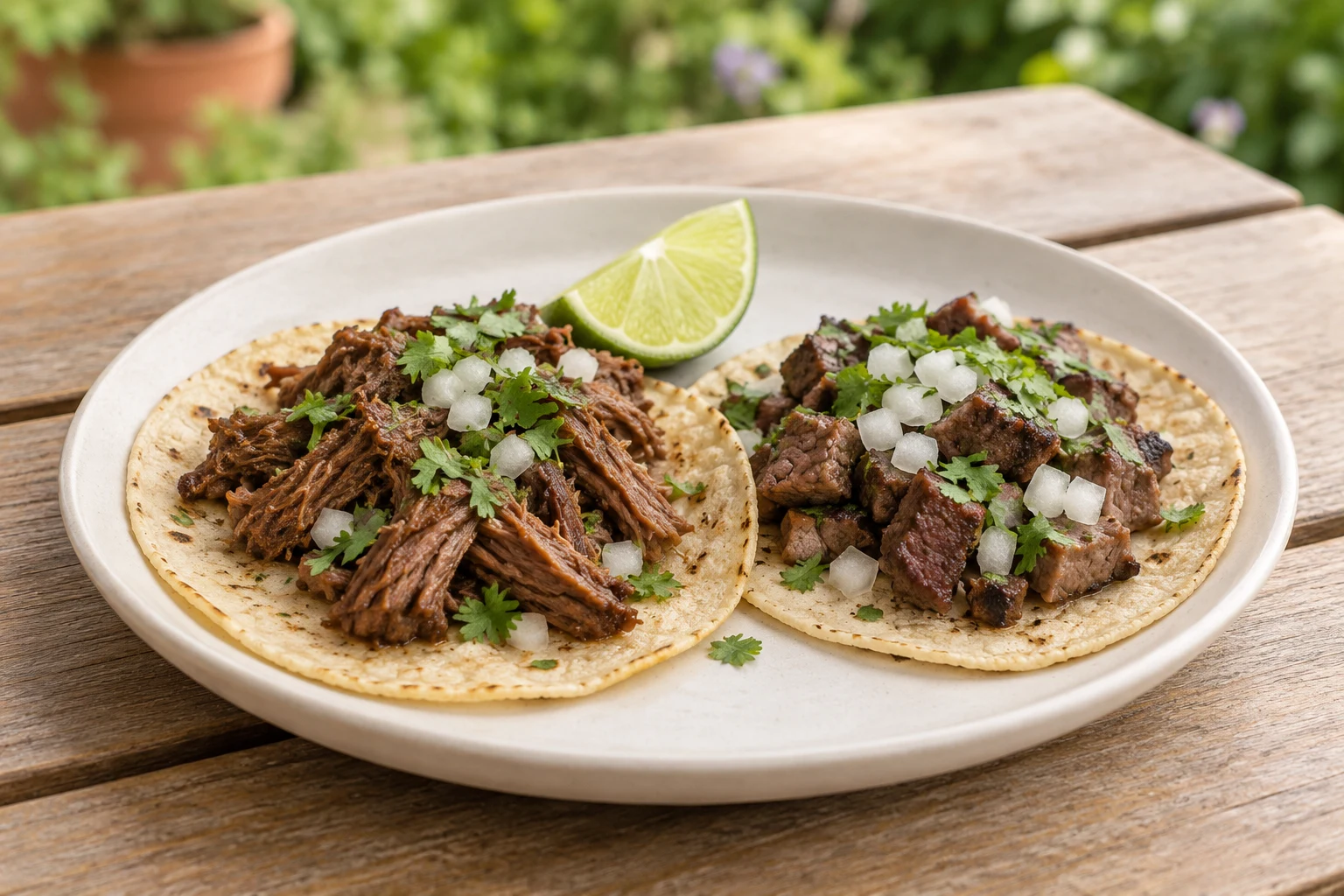
Mexican Barbacoa and Carne Asada Explained
Barbacoa and carne asada are often placed together because both are associated with Mexican barbecue, but they describe different cooking ideas. Carne asada is generally a hot, fast preparation of seasoned meat. Barbacoa is associated with slower cooking and tender texture, often using cuts that need time. A home cook can learn from both without pretending that a backyard grill reproduces every regional ingredient, tool, or tradition.
Read guide →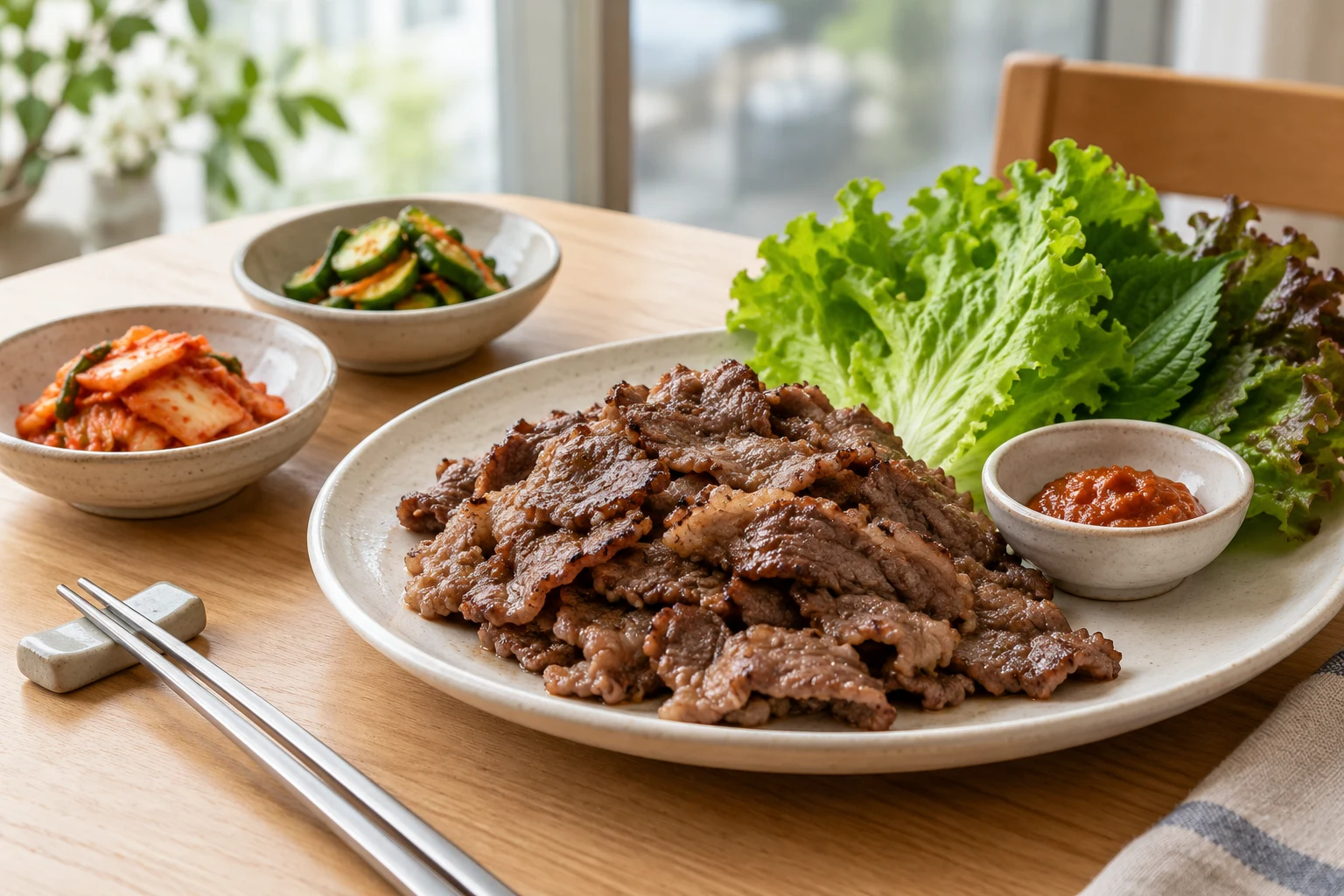
Korean Barbecue at Home: A Practical Guide
Korean barbecue at home works because the table, the food, and the heat are organised before cooking begins. Thin pieces cook quickly, sides and sauces create contrast, and guests can eat in small rounds rather than waiting for one large platter. A home setup does not need to imitate every restaurant detail. It needs a safe cooking surface, clear ventilation, prepared ingredients, and a serving rhythm that keeps raw and cooked food separate.
Read guide →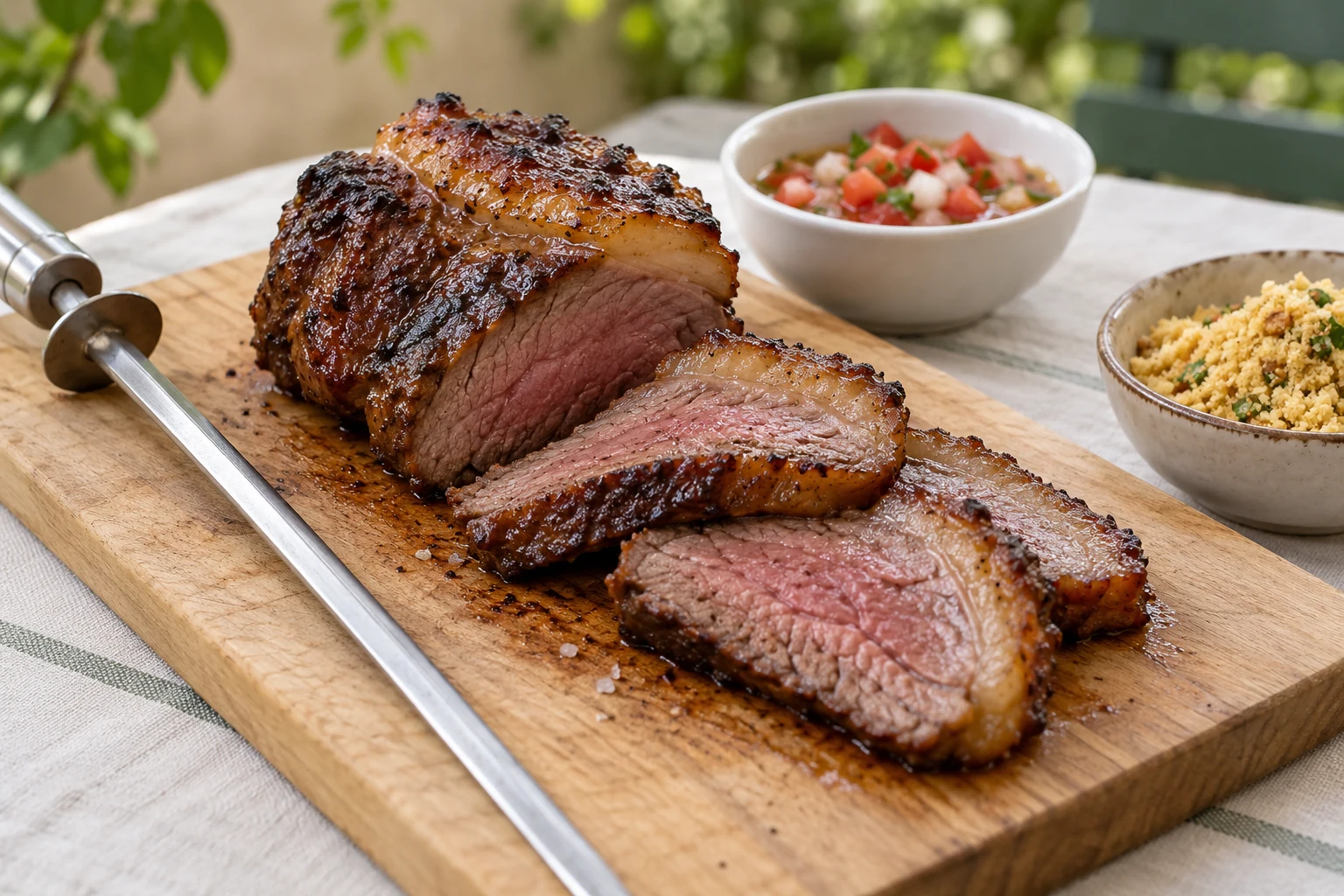
Brazilian Churrasco: Cuts, Skewers, and Fire
Brazilian churrasco is often introduced through its spectacle: skewers, open heat, and meat sliced at the table. The more useful lesson for a home cook is simpler. The cook manages distance from the fire, seasons the food without hiding it, cooks in stages, and serves when each piece is ready. A backyard grill will not reproduce every regional practice or social setting, so this guide treats the method as a respectful home adaptation rather than a claim to authenticity.
Read guide →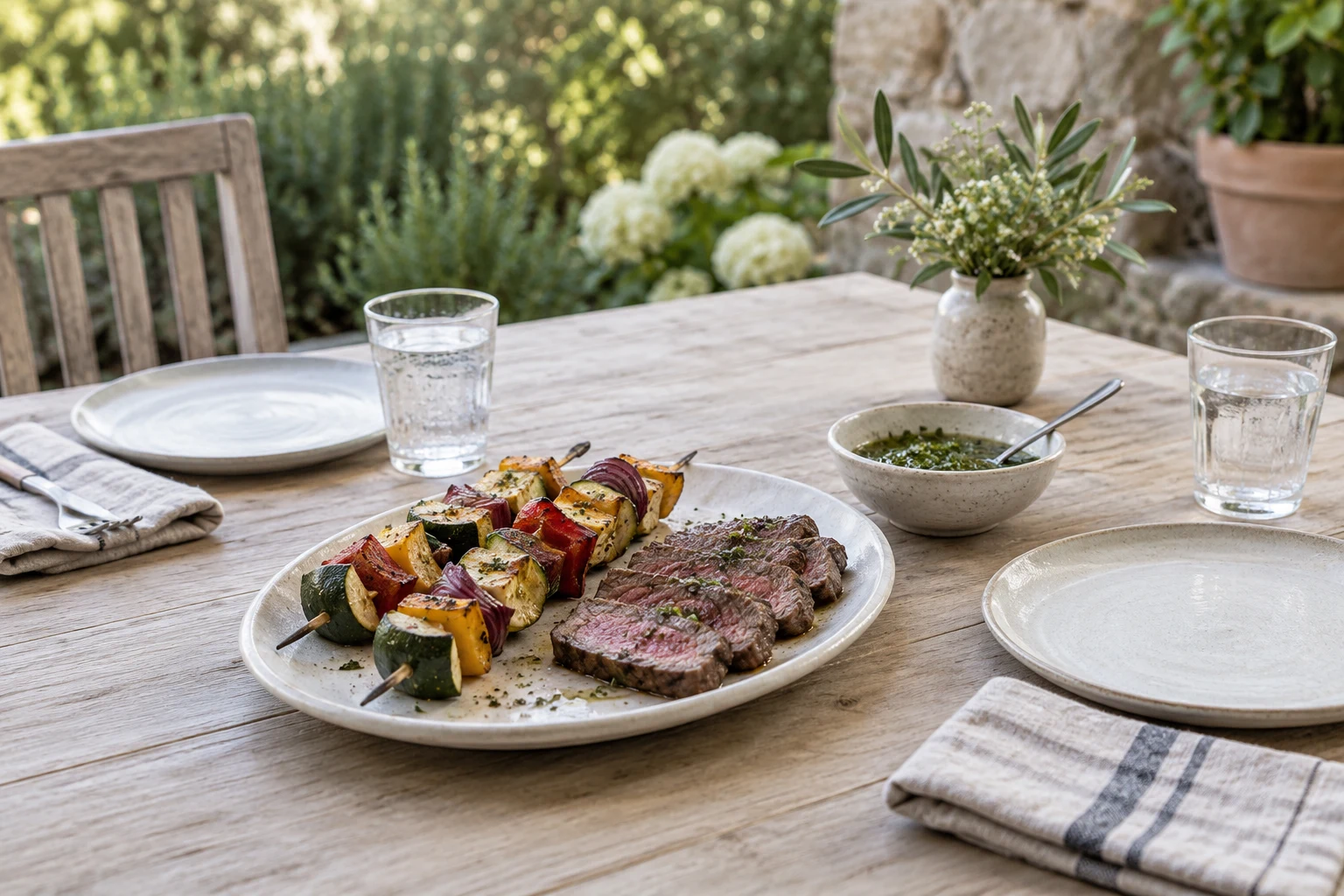
A Beginner's Guide to Global Barbecue
Global barbecue is not one recipe or one definition. Different places solve different problems with fuel, distance, cuts, seasoning, tools, and serving order. A useful introduction does not flatten those traditions into “meat plus smoke.” It asks what each method is trying to control, then shows how a home cook can learn from the principle without pretending that a backyard grill reproduces the original setting.
Read guide →The fire is the teacher